
Seasonal Scheduling Can Gradually Affect Shared Residential Routines

Updated: Jun 4
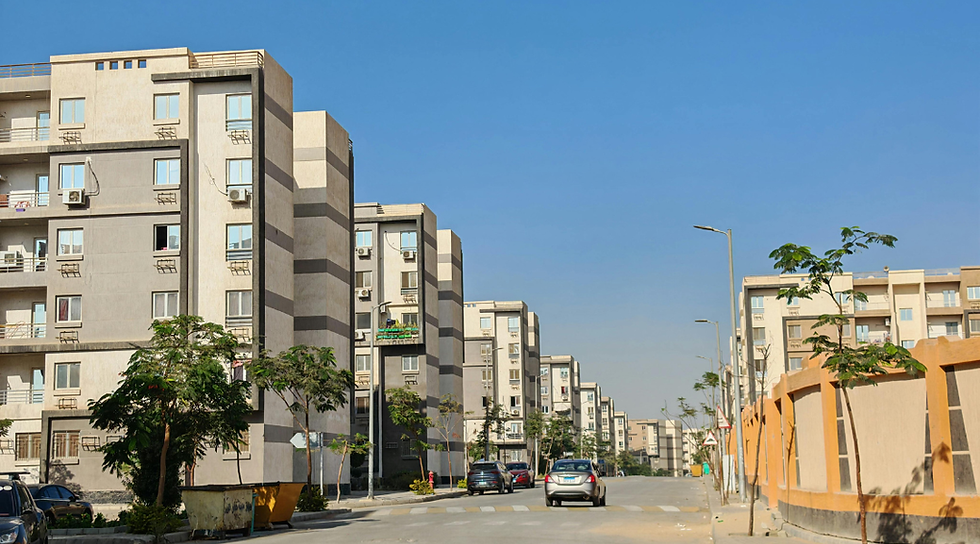
Early spring activity does not always begin through major residential decisions right away. In many shared residential environments, smaller operational changes appear first through scheduling adjustments, communication timing and shifting coordination routines across nearby communities.
As movement slowly increases throughout Montréal area neighborhoods, some residential systems begin adapting before broader seasonal activity becomes fully visible.
Shared Residential Timing Can Shift During Seasonal Transitions
Condominium environments and shared residential buildings often follow layered operational routines throughout the year. During seasonal transitions, those routines can gradually become more active as schedules begin overlapping more frequently.
Some communities may experience:
changing appointment timing
additional coordination between parties
increased movement throughout shared areas
more scheduling adjustments connected to residential planning
These changes do not automatically accelerate decisions, but they can influence how smoothly conversations progress across shared residential environments.
Communication Patterns Often Adjust Before Larger Activity Increases
In many situations, communication flow changes before stronger residential movement becomes publicly noticeable.
People may begin:
reorganizing schedules
adjusting availability windows
coordinating around transportation timing
reviewing residential convenience
comparing shared-building accessibility
As more moving parts enter the process, communication timing can become more important for keeping residential discussions organized.
When updates arrive inconsistently across several conversations, even smaller scheduling changes can begin creating additional coordination pressure.
Seasonal Movement Can Influence Everyday Residential Behavior
Early spring transitions sometimes affect everyday residential routines before larger planning decisions fully develop.
Some residents begin paying closer attention to:
commuting flexibility
scheduling efficiency
shared-building convenience
neighborhood accessibility
coordination connected to daily routines
Because of this, seasonal movement is not shaped only by visible housing activity.
Operational behavior inside residential communities can also evolve gradually during these periods.
A Gradual Transition Into Spring Activity
Seasonal movement often starts through subtle coordination changes rather than immediate large-scale residential decisions.
As scheduling routines, communication timing and shared residential systems slowly adjust throughout nearby communities, operational patterns can begin shaping how spring activity develops across different residential environments.
Discover how Royal Le Page Du Quartier can change the residential coordination patterns that can continue to influence planning conversations during seasonal transitions.



Comments